BIOGRAPHY
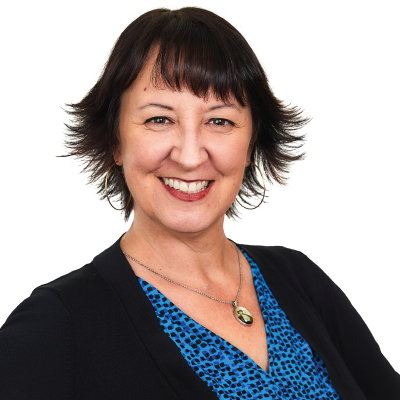
Andi Last brings over 30 years of broadcasting, media, and marketing experience to Pure Financial Advisors. Serving as Media Manager remotely, Andi is based in South Australia. She is Executive Producer of the Your Money, Your Wealth® podcast, manages the firm’s YouTube channels, and is involved in the production and distribution of the Your Money, Your Wealth® TV show.
Andi grew up in San Diego. Before joining Pure, she was Media Operations Manager for a San Diego-based financial services firm with a long-running, nationally syndicated financial advice TV and radio show.
Andi gratefully serves on the all-volunteer board of directors of Living LFS, a non-profit 501(c)(3) organization supporting those with Li-Fraumeni syndrome (LFS), a rare genetic predisposition to developing cancer.
Andi enjoys still photography, and her photos have appeared in national publications and on a Grammy-nominated record.
Andi and her husband Jay have been together since 2010. Sharing a passion for music, they produced and recorded a house concert series featuring live performances by professional touring musicians. The Lasts also play music themselves: their band has played ’60s garage rock for audiences of three in their living room, and tens of people have watched their music videos on YouTube.
Andi's Latest Contributions

The margin loan debate continues today on Your Money, Your Wealth® podcast number 589. Jack and Jill, longtime listeners who recently moved from the UAE to Australia, want a sanity check on using margin loans (AKA pledge loans) to build and live off their portfolio. Joe and Big Al spitball whether borrowing against stocks and never paying tax on the gains, the Buy Borrow Die strategy, is actually smart, or a fast way to blow yourself up? They also recap the spicy comments our margin loan discussion back in episode 585 kicked up. Then the fellas flip the script for Forest and Jenni in Virginia: does a reverse glide path, investing conservatively now and getting more aggressive as you age, actually hold up? And finally, Jack and Diane in New Jersey are retiring this year, selling the house, and moving to Florida, so Joe and Big Al stress-test their Roth conversion plan before they pull the trigger.
What is the Buy, Borrow, Die strategy?
The buy, borrow, die strategy involves buying appreciating assets like stocks, borrowing against them through a securities-backed line of credit or margin loan instead of selling, and holding until death, when heirs receive a step-up in basis that can eliminate capital gains tax on the growth. It only works with assets held outside retirement accounts, and it carries real risk, because leverage magnifies losses when markets fall.
Frequently Asked Questions
Q: Is using a margin loan in retirement a good idea instead of selling investments?
A: It can make sense in certain situations, like avoiding capital gains tax or not selling stocks while the market is down, then paying the loan back over a year or two. But it depends heavily on your tax situation, your age, and the interest rate. Leverage cuts both ways, so it can amplify losses as much as gains if markets drop.
Q: What is a securities-backed line of credit (SBLOC)?
A: An SBLOC, sometimes called a pledge loan, lets you borrow against the value of your investment portfolio without selling the holdings. Interest rates vary by brokerage and can range from around 5% to 11% depending on the lender and current rates. Keeping the borrowed amount to a low percentage of the portfolio can help reduce the risk of a margin call in a downturn.
Q: How much leverage is safe to use on an investment portfolio?
A: There’s no single safe number, but keeping leverage low, such as around 25% of the portfolio, reduces the risk of a forced sale during a downturn compared to higher levels like 50%. History shows the risk clearly: the NASDAQ fell about 55% during the Great Recession and more during the dot-com bust, so anyone using leverage should go in with a clear understanding of the potential losses.
Q: What is a reverse glide path in retirement, and does it make sense?
A: A reverse glide path means starting retirement with a higher bond allocation and gradually shifting toward more stocks as you age, which can reduce sequence-of-return risk in the early, most vulnerable years. Researchers like Michael Kitces and Wade Pfau have studied it. Whether it fits depends on your withdrawal rate and comfort with risk, and for many retirees the benefit over a well-diversified portfolio may be modest.
Q: Which state’s income tax applies when you do a Roth conversion?
A: You generally owe state income tax on a Roth conversion based on the state where you live at the time of the conversion, not the state where you originally earned or contributed the money. Moving to a state with no income tax, such as Florida, Texas, or Nevada, before converting can reduce or eliminate the state tax on that conversion.
Joe Anderson, CFP® and Big Al Clopine, CPA spitball for three people planning for early retirement and wondering, can I really pull this off? How much risk can you take, and how much do you really need to? That’s today on Your Money, Your Wealth® podcast 588. Dr. Kickass Seabass and his wife are both 41 and they got a late start on savings. Can they still hit FIRE – that is, financial independence, retire early – by 55? Get your salt shakers ready. Aang and Katara have military pensions and a big thrift savings plan. Should they invest it aggressively or play it safe over the next decade? Finally, Steph has a mandatory retirement at 56 but wants out even sooner, at age 50… if his wife Ayesha doesn’t kill him first for quitting seven years before her.
Can you retire early at 55 (FIRE) if you have a high income but relatively modest savings?
Financial independence, retire early (FIRE) at 55 is possible with a high income and disciplined saving, but it depends on your target number, not just your salary. A common approach is to estimate annual retirement spending, adjust for inflation, and divide by a sustainable withdrawal rate to find the nest egg needed to bridge the years before Social Security.
Frequently Asked Questions
Q: How do I calculate the savings I need to retire early?
A: A common method is to estimate your annual retirement spending, adjust it upward for inflation over the years until you retire, then divide that figure by a sustainable withdrawal rate to get your target nest egg. For example, dividing inflated annual spending by a rate near 4% gives a rough savings goal. Retiring earlier raises that number, because the portfolio has to cover more years before Social Security and pensions begin.
Q: Does a pension count as part of my bond allocation?
A: Many planners treat guaranteed income like a pension as the fixed-income or “safe money” part of your overall financial picture. Because the pension reliably covers fixed expenses, you may be able to hold a higher percentage of stocks in your investment accounts than you otherwise would.
Q: How aggressive should my investments be 10 years before retirement?
A: There is no single standard allocation; it depends on how much you need from the portfolio for income. If your essential expenses are covered by pensions or other guaranteed income, you may be able to take on more risk. A common guideline is to hold several years of needed withdrawals in safer assets so you are not forced to sell stocks in a downturn.
Q: What is a safe withdrawal rate for someone retiring at 55?
A: A withdrawal rate that works at 65 may be too high at 55 because the money has to last longer. Rates above 5% can be aggressive for an early retiree, while a rate closer to 3.5% to 4% is often considered more sustainable, depending on your investments, spending, and market conditions.
Q: Should I move money to safe investments right before retirement?
A: Holding some safe assets near retirement can help protect against having to sell stocks after a market drop, which is known as sequence-of-returns risk. How much to shift depends on how much income you need from the portfolio versus what guaranteed sources like pensions and Social Security already cover.