More
Joe Anderson, CFP® and Big Al Clopine, CPA spitball for three people planning for early retirement and wondering, can I really pull this off? How much risk can you take, and how much do you really need to? That’s today on Your Money, Your Wealth® podcast 588. Dr. Kickass Seabass and his wife are both 41 and they got a late start on savings. Can they still hit FIRE – that is, financial independence, retire early – by 55? Get your salt shakers ready. Aang and Katara have military pensions and a big thrift savings plan. Should they invest it aggressively or play it safe over the next decade? Finally, Steph has a mandatory retirement at 56 but wants out even sooner, at age 50… if his wife Ayesha doesn’t kill him first for quitting seven years before her.
Can you retire early at 55 (FIRE) if you have a high income but relatively modest savings?
Financial independence, retire early (FIRE) at 55 is possible with a high income and disciplined saving, but it depends on your target number, not just your salary. A common approach is to estimate annual retirement spending, adjust for inflation, and divide by a sustainable withdrawal rate to find the nest egg needed to bridge the years before Social Security.
Frequently Asked Questions
Q: How do I calculate the savings I need to retire early?
A: A common method is to estimate your annual retirement spending, adjust it upward for inflation over the years until you retire, then divide that figure by a sustainable withdrawal rate to get your target nest egg. For example, dividing inflated annual spending by a rate near 4% gives a rough savings goal. Retiring earlier raises that number, because the portfolio has to cover more years before Social Security and pensions begin.
Q: Does a pension count as part of my bond allocation?
A: Many planners treat guaranteed income like a pension as the fixed-income or “safe money” part of your overall financial picture. Because the pension reliably covers fixed expenses, you may be able to hold a higher percentage of stocks in your investment accounts than you otherwise would.
Q: How aggressive should my investments be 10 years before retirement?
A: There is no single standard allocation; it depends on how much you need from the portfolio for income. If your essential expenses are covered by pensions or other guaranteed income, you may be able to take on more risk. A common guideline is to hold several years of needed withdrawals in safer assets so you are not forced to sell stocks in a downturn.
Q: What is a safe withdrawal rate for someone retiring at 55?
A: A withdrawal rate that works at 65 may be too high at 55 because the money has to last longer. Rates above 5% can be aggressive for an early retiree, while a rate closer to 3.5% to 4% is often considered more sustainable, depending on your investments, spending, and market conditions.
Q: Should I move money to safe investments right before retirement?
A: Holding some safe assets near retirement can help protect against having to sell stocks after a market drop, which is known as sequence-of-returns risk. How much to shift depends on how much income you need from the portfolio versus what guaranteed sources like pensions and Social Security already cover.
George in South Carolina wants to retire in 8 years at 53. Does he have enough in his brokerage account to bridge the gap to Social Security? Joe in Massachusetts is saving a staggering $200,000 a year, but will his high-spending lifestyle make a multi-million dollar nest egg look small? The fellas help 26-year-old Jonathan in Florida map out a path to retire in his 40s using his 457 plan, and they spitball on whether early exit strategies for both Kris and Rojo in California are a “green light” or a reality check. Plus, Joe explains why the “Rule of 55” and Roth conversions might be some of the most important tools in your early retirement toolbox.
You’ve had enough of the 9 to 5 and are ready to punch early. Are you financially prepared for a long and early retirement? Joe and Big Al provide a spitball analysis. And of course, the ever-popular Roth IRA conversions: how much to convert to Roth, when and how to pay the tax on a Roth conversion, and why not pay Roth conversion taxes out of the retirement account you’re converting from?
Subscribe to the YMYW podcast Subscribe to the YMYW newsletter
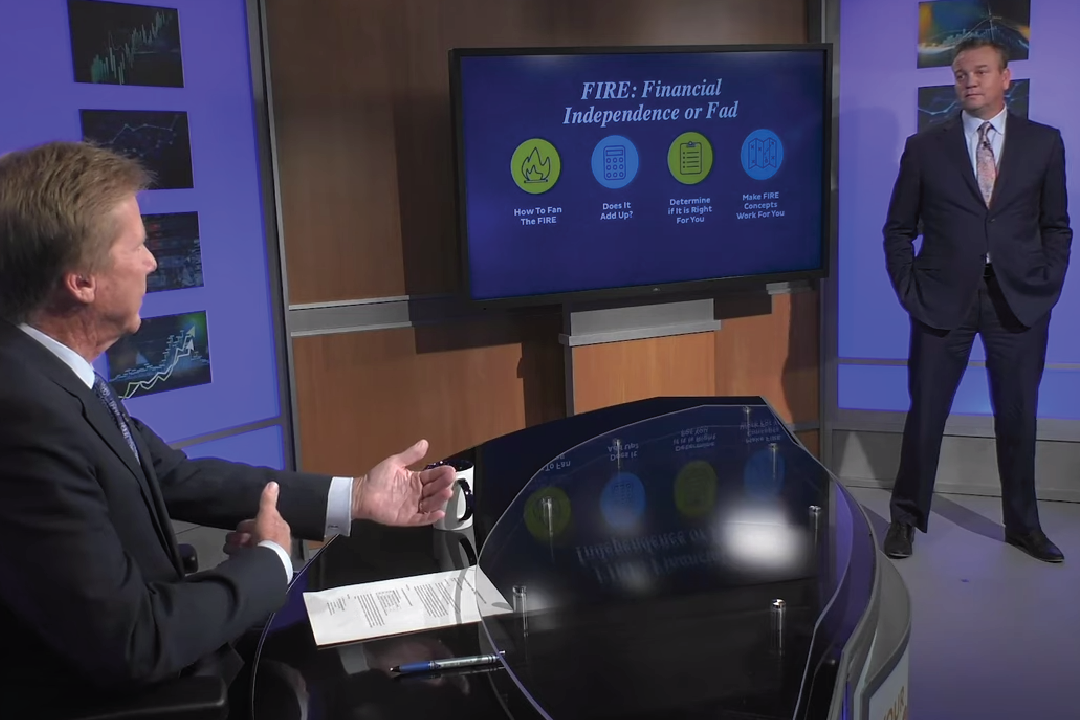
The FIRE (Financial Independence, Retire Early) movement is getting a great deal of attention on the financial channels and social media. This movement suggests if you can save the vast majority of the money you make early in your life and invest it aggressively, then you can retire after only working 10 to 15 years! […]